
City Services
Keep LEGO Skylines citizens healthy and happy: healthcare, parks, and resident needs planning for a livable, orderly city.
Introduction
City services are what make a LEGO Skylines community feel alive instead of just populated. The official material names healthcare, parks, shops and the broader resident needs among the interconnected responsibilities a mayor manages, which means a healthy city is not only about roads and utilities but about keeping people healthy, satisfied and entertained. This section organizes those services into a practical framework: which services matter most, how they relate to resident needs, and how to fund them without breaking the budget. Because the game is still Coming Soon and exact costs, coverage and satisfaction thresholds are unconfirmed, the advice focuses on the structure of a well-served city and the ordering decisions that keep services effective as the population grows.
City Service Reference
| Service | Role | Priority |
|---|---|---|
| Healthcare | Keeps citizens healthy | High once city grows |
| Parks | Recreation and beautification | Medium, steady value |
| Shops | Fulfills shopping needs | Medium, grows with income |
| Waste Services | Keeps districts clean | High in dense areas |
| Resident Needs | Feedback for planning | Always monitor |
Service Breakdown
Healthcare
Healthcare keeps the population healthy and is explicitly named in official material as a city responsibility. It matters more as the city grows.
Parks
Parks provide recreation and beautify the LEGO city. They pair wellbeing with decoration, making districts more pleasant at modest cost.
Shops
Shops fulfill shopping needs, contribute income and add to the lively character of your streets. They grow with the population and economy.
Waste Services
Waste services keep dense districts clean and healthy. Their importance rises as neighborhoods grow denser and generate more waste.
Resident Needs
Resident needs are the feedback loop that tells you which service to build next. Reading them well prevents both ignoring and overbuilding.
Core Mechanics
City services work as the wellbeing layer above your utility networks and zones. Healthcare keeps the population healthy, which becomes more important as the city grows and more residents depend on the network. Parks provide recreation and double as decoration, improving livability and giving you space to shape the LEGO look of your city. Shops fulfill shopping needs and tie into the economy, while waste services keep dense districts clean. The unifying mechanic is resident needs: the population continuously signals what it lacks, and your job is to read those signals and respond with the right service before dissatisfaction spreads. Because exact thresholds are unconfirmed, service planning is about maintaining a balanced presence and expanding each service in step with growth rather than chasing specific numbers.
Advantages
A well-served city is a stable city. Healthcare prevents health crises that can cascade into stalled growth, parks keep residents satisfied and add beauty for little budget, and shops satisfy needs while contributing income. Providing services in balance also prevents the expensive late-game problem of a large, unhappy population that is costly to fix all at once. Because services are confirmed responsibilities of the official material, planning their presence early is one of the safest investments you can make. The decoration value of parks in particular pairs city services with the LEGO building theme, giving you functional buildings that also shape how your city looks.
Challenges
City services compete for the same budget as utilities, zones and expansion, so overspending on them can starve growth. Because exact costs, coverage and satisfaction values are unconfirmed, it is hard to know precisely how much service coverage a given population needs, which tempts mayors to overbuild or underbuild. Neglected services also produce gradual, compounding problems: dissatisfaction builds slowly and can be expensive to correct once a large population is already unhappy. Balancing services against the rest of the budget is the real challenge, and the optimal balance will only be fully clear once the developers publish the actual numbers.
Frequently Asked Questions
How important is healthcare in a city?+
Are parks really worth the budget?+
How do resident needs guide my decisions?+
How do I balance services with the budget?+
Quick Tips
Read resident needs as a queue, not a list of demands to satisfy all at once. Respond to the most urgent need first, then observe whether satisfaction improves before adding the next service, which keeps spending aligned with what the city actually asks for. Responding in sequence keeps spending aligned with real problems and avoids the waste of funding services nobody is asking for yet.
Add healthcare capacity before the population gets large. Establishing it early in modest amounts is far cheaper than building a health response after a crisis develops, and it keeps growth from stalling on a preventable problem. This forward planning is far cheaper than a reactive build-out after a health crisis, and it lets growth continue without interruptions.
Treat parks as both wellbeing and decoration. Placing a park in a developing district improves livability and shapes the LEGO look of the neighborhood at the same time, so you get two benefits from one investment. Two benefits from one investment is exactly the kind of efficiency that keeps a growing city profitable and pleasant.
Watch dense districts for waste problems. Density multiplies waste output, and gradual neglect is the most common way a neighborhood quietly becomes unhappy. Add waste capacity in step with density before the complaints appear. Watching density closely lets you add capacity just before problems appear, so a neighborhood never quietly slides into a costly state of neglect.
Featured
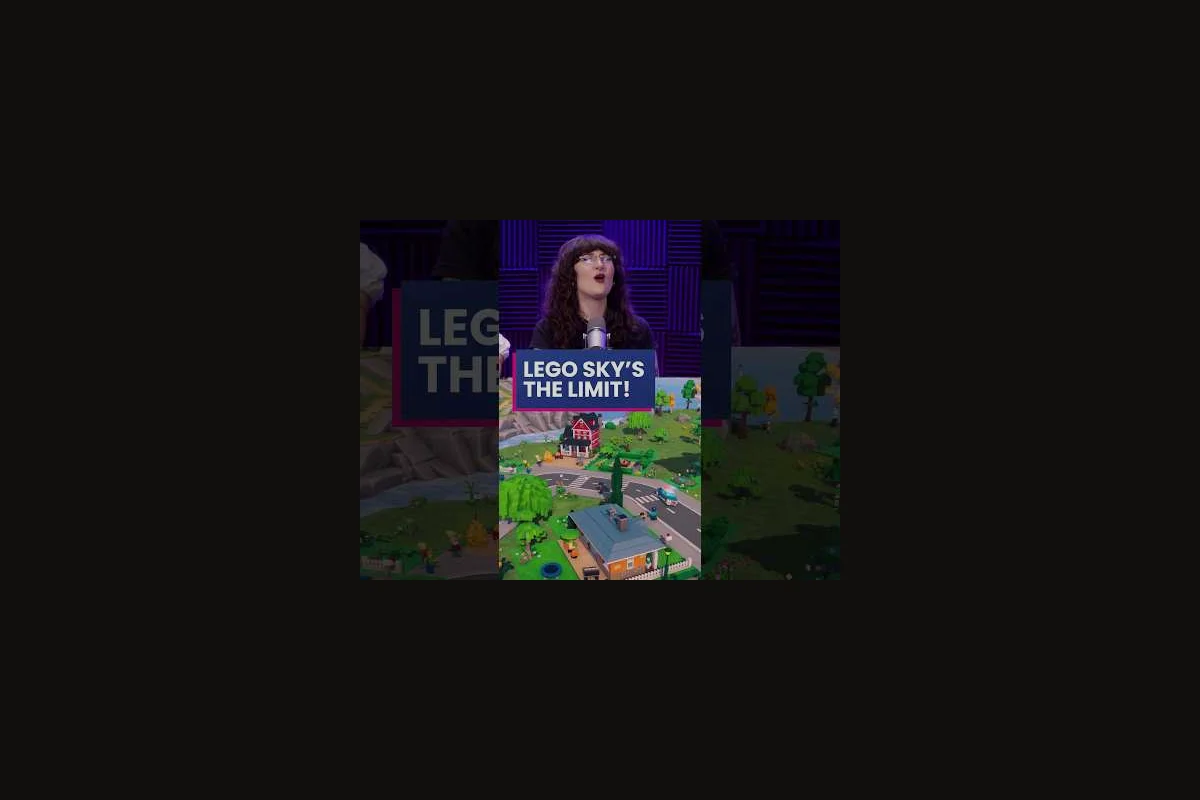
LEGO Skylines City Services to Cover Power, Water, Parks
Map LEGO Skylines city services across every district, from power grids to hospital and park coverage. Learn tactics that keep citizens supplied and happy.
LEGO Skylines Healthcare Planning for Hospital Reach
Plan LEGO Skylines healthcare planning with hospital reach, park placement, and amenity efficiency. Build a network that lifts happiness without overspending.

LEGO Skylines Citizen Guide to Smart Hospital Spots
Use this LEGO Skylines citizen guide to place hospitals, parks, and amenities where residents actually live. Match healthcare and recreation reach to housing.
All Articles
LEGO Skylines Service Guide for Hospital and Park Reach
Plan LEGO Skylines service guide coverage for hospitals, parks, and community amenities. Map service areas against citizen demand to keep satisfaction high.
LEGO Skylines Service Priorities for Upgrade Timing
Rank LEGO Skylines service priorities by upgrade cost, coverage gap, and citizen demand. Learn which hospitals, parks, and utilities to fund first.
LEGO Skylines Public Health With Hospital and Park Coverage
Strengthen LEGO Skylines public health by aligning hospital and park layouts with residential blocks. Balance recreation and medical reach so all stay well.